Dairy and Acne: What the Science Actually Says
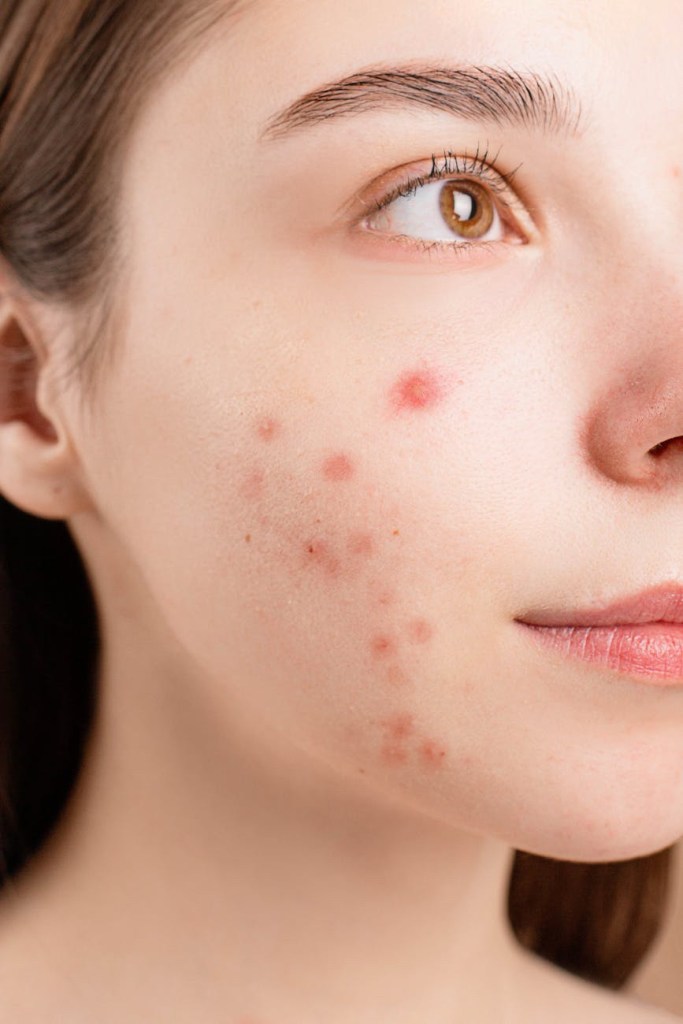
The relationship between dairy and acne is one of the most common nutrition questions people ask, especially teenagers, young adults, and anyone struggling with persistent breakouts. While social media often presents dairy as the definite villain, the actual science is much more nuanced. Research does show a link between certain dairy products and acne risk, but the strength of this association depends heavily on the type of dairy, how often it’s consumed, the population studied, and individual biological differences.
Is Dairy Linked to Acne?
Across multiple meta-analyses and systematic reviews, dairy intake, particularly milk, has been consistently associated with a modest increase in acne risk. In fact, about 78% of high-quality studies report a positive association between dairy consumption and acne development. But that doesn’t necessarily mean everyone who drinks milk will get acne.
The association is strongest in:
- Children, adolescents, and young adults
- Western populations, where dairy intake is high and acne is extremely common
- People who consume daily or frequent servings of milk
- Especially those who drink skim or low-fat milk
The odds ratios for acne in milk consumers range from 1.22 to 2.61 in some studies, with skim milk reaching the highest risk estimates. In other words, the link is real, but not enormous, and it’s influenced by many other lifestyle factors.
Why Milk Seems to Have the Strongest Effect
Milk appears more problematic than other dairy products because of its hormonal and metabolic effects. Milk naturally contains growth factors that increase circulating insulin and IGF-1, or insulin-like growth factor 1. These hormones stimulate:
- Sebum, or oil, production
- Skin cell proliferation
- Follicular plugging
These are three core drivers of acne development.
Interestingly, skim milk consistently shows a stronger association with acne than whole milk. This may be because skim milk contains more bioactive molecules and added whey proteins, both of which can stimulate insulin and IGF-1. Whey protein supplements have also been linked to acne flare-ups in case reports, particularly in young athletes.
What About Cheese and Yogurt?
Unlike milk, cheese and yogurt show weak or inconsistent associations with acne. Many reviews find no significant link at all.
Possible reasons include:
- Fermentation changes how dairy proteins behave metabolically
- Lower overall lactose and whey content
- Different hormonal composition compared to fluid milk
For most people, cheese and yogurt are far less likely to trigger acne than milk.
Population Differences Matter
One of the most interesting findings in the research is that the dairy and acne link appears far more consistently in Western countries than in non-Western populations. This could be due to:
- Higher dairy intake
- Different dietary patterns, for example, higher glycaemic load
- Genetic variations in insulin sensitivity
- Lifestyle factors that also influence acne, including stress, sleep, and ultra-processed foods
In some non-Western groups, the association is weak or absent altogether. This highlights that dairy is not the sole driver of acne, it is one factor within a much bigger picture.
Does Giving Up Dairy Improve Acne?
This is the question people care about most and it’s also the one with the least direct evidence.
Here’s what we know:
- No large randomized controlled trials have tested dairy elimination for acne
- Observational data suggests that people who consume more dairy, especially milk, tend to have more acne
- Small studies, case reports, and clinical experience suggest that reducing or eliminating milk may help improve acne severity in some groups, particularly teenagers and young adults in Western countries
- Results vary greatly from person to person
Some people experience noticeable improvements within a few weeks of reducing milk. Others see no change at all. Genetics, hormones, overall diet, and skincare routines all interact with any effect dairy might have.
Limitations of the Research
The majority of studies are observational, meaning they show correlation, not causation. Researchers can’t fully account for:
- Dietary patterns, for example, high-sugar diets often accompany high milk intake
- Recall bias, since participants often misreport what they eat
- Lifestyle factors, such as stress, sleep, and training load
- Puberty and hormonal fluctuations
This means dairy may not directly cause acne, but it could act as an amplifier in people already prone to breakouts.
So Should You Cut Out Dairy?
If you struggle with persistent acne, particularly if you are young, Western, and consume milk frequently, it may be worth a structured 4 to 6 week trial of reducing or eliminating:
- Skim milk
- Low-fat milk
- Whey protein
Most dermatologists and nutrition professionals agree that:
- Cheese and yogurt are far less concerning
- Full-fat milk is less strongly linked
- Total elimination is not necessary for everyone
If acne improves, you have identified a personal trigger. If not, dairy is likely not a key driver of your breakouts.
Take Home Message
Dairy, especially skim and low-fat milk, is consistently associated with an increased risk and severity of acne in young people, particularly in Western countries. Cheese and yogurt show minimal or inconsistent effects, and adults may be less susceptible. Eliminating dairy may help some individuals, but results are highly variable and not guaranteed. More controlled trials are needed to confirm cause and effect.
For more evidence-based nutrition and skincare tips, follow me on Instagram @sarahcurranfitpro


 The bodybuilding aesthetician
Leave a reply to Narinder Jarial Cancel reply