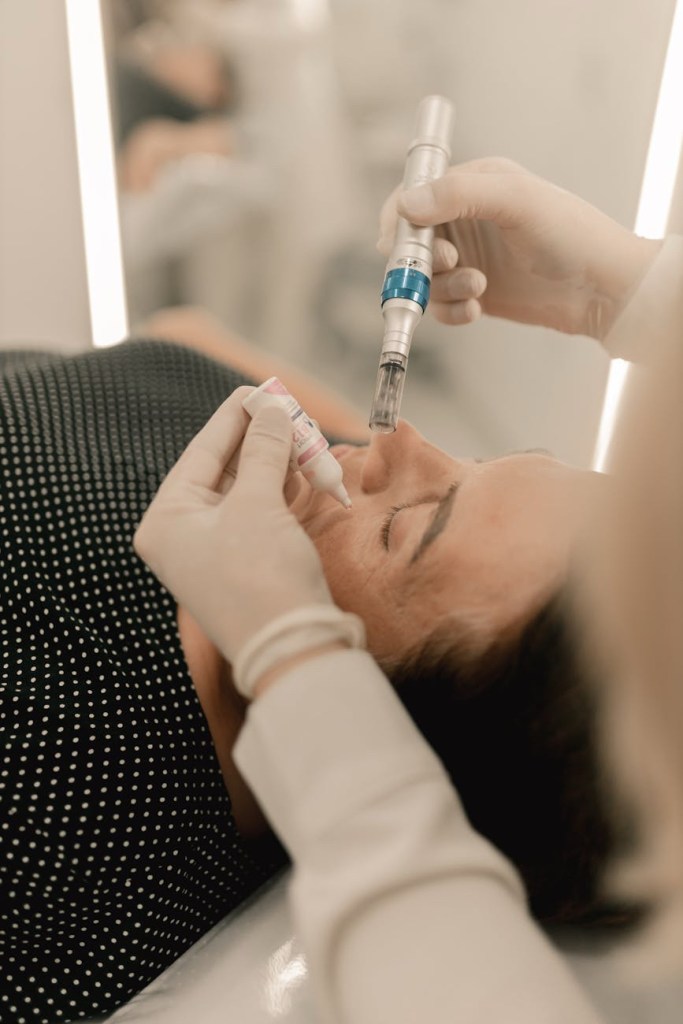
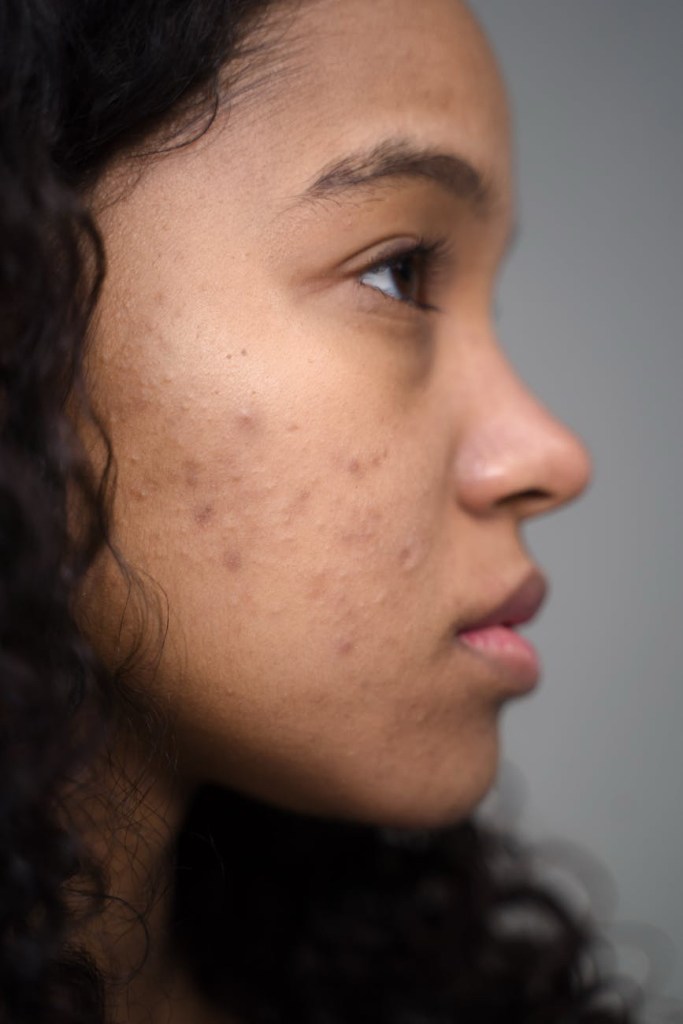
Acne scarring can really affect confidence and self-esteem. For many people, those leftover marks are a constant reminder of past breakouts, long after the acne itself has gone. While there’s no single perfect treatment, microneedling has become one of the most effective and accessible options for improving the appearance of atrophic acne scars, especially rolling and boxcar types.
Microneedling works by creating tiny, controlled micro-injuries in the skin using fine needles. This process stimulates your body’s natural healing response, encouraging the production of collagen and elastin. Over time, this helps to remodel and smooth out scarred tissue, improving skin texture and overall appearance. What makes microneedling so appealing is that it’s minimally invasive, suitable for most skin types, and involves very little downtime compared to other procedures.
As someone with a Level 9 qualification in Skin and Hair Follicle Anatomy and a Beauty Specialist qualification alongside microneedling and laser and light treatments , I’ve seen first-hand how the skin responds to treatments that work in harmony with its natural repair mechanisms. Microneedling does exactly that. It enhances the skin’s ability to heal itself, making it a safe and effective option for clients who want visible results without harsh interventions.
How Effective Is It?
Research consistently supports what many clients notice in the mirror: microneedling really works. Multiple systematic reviews and clinical trials show significant improvement in acne scarring after a course of treatments. The collagen stimulation that follows, particularly involving collagen types I, III, and VII, helps the skin regain structure and smoothness.
Visible changes usually appear after a few sessions, and satisfaction rates are high. Most side effects are mild and temporary, such as redness or light swelling that subsides within a couple of days. Occasionally, some people may experience slight hyperpigmentation, but this tends to resolve with proper aftercare and consistent sun protection.
It’s worth noting that rolling and boxcar scars respond best to microneedling. Icepick scars, which are deeper and narrower, can be more resistant and sometimes need additional treatments such as TCA CROSS or subcision for optimal improvement.
Microneedling vs. Other Acne Scar Treatments
When compared with non-ablative fractional lasers, microneedling performs exceptionally well. Research shows similar levels of improvement, but with fewer side effects and a much shorter recovery time. For clients with darker skin tones, microneedling is often the preferred choice, as it carries a much lower risk of post-inflammatory hyperpigmentation (PIH) than many laser treatments.
Some practitioners combine microneedling with other therapies to boost results. Adding platelet-rich plasma (PRP), hyaluronic acid, or chemical peels can enhance collagen stimulation and improve skin texture. While combination therapies can speed up visible improvement, studies suggest that the long-term outcomes are often quite similar to microneedling alone, which is good news for anyone wanting great results without extra cost or complexity.
Fractional radiofrequency (RF) microneedling is another powerful option, particularly for moderate to severe scarring or darker skin. It uses radiofrequency energy to heat deeper layers of the skin, enhancing collagen remodeling while maintaining the gentle recovery period that makes microneedling so appealing.
How It Fits Into the Bigger Picture
When it comes to acne scar management, microneedling is one part of a broader toolkit. Treatments such as lasers, subcision, chemical peels, and fillers all have their place, and the best approach depends on the type and depth of scarring.
- Subcision works best for rolling scars that are tethered by fibrous bands under the skin.
- TCA CROSS is ideal for icepick scars, offering a precise chemical resurfacing effect.
- Dermal fillers can be used to restore volume in deeper boxcar scars, offering immediate improvement.
Ablative lasers like CO₂ or Er:YAG are still considered the gold standard for severe scarring, but they involve longer downtime and carry a higher risk of pigmentation issues. For many clients, microneedling provides the perfect balance between results and recovery.
Take-Home Message
Microneedling has firmly earned its place as a leading treatment for atrophic acne scars. It’s effective, safe, and accessible, with proven results across a wide range of skin types. The improvements build gradually over several sessions, and while patience is key, the overall transformation in skin texture and confidence is remarkable.
Combining microneedling with other modalities can sometimes enhance results, but even on its own, it performs as well as many laser-based treatments with far fewer risks and less downtime.
For anyone struggling with acne scarring, microneedling represents the best of both worlds: scientifically supported results and a natural, skin-friendly approach. As a qualified professional with an MSc in Exercise and Nutrition, a Level 9 in Skin and Hair Follicle Anatomy, and Beauty Specialist training, I focus on evidence-based treatments that work with your skin, not against it. Microneedling is one of those treatments, empowering, restorative, and proven to deliver real results.
You can find more evidence-based skincare, nutrition, and lifestyle insights over on Instagram @sarahcurranfitpro.


 The bodybuilding aesthetician
Leave a reply to Margochristie Cancel reply