• Today is World Diabetes Day, which makes it an ideal moment to highlight the powerful role that evidence based nutrition plays in preventing complications, improving metabolic health, and supporting quality of life for people living with type 2 diabetes (T2DM). Effective nutrition is a central component of T2DM management, and a wide body of evidence shows that dietary interventions can significantly improve glycemic control and long-term outcomes. While no universal dietary pattern suits every individual, several well-researched approaches consistently provide meaningful benefits.

    Key strategies include improving carbohydrate quality and quantity, prioritizing healthy fats, tailoring nutrition to the individual, and integrating behavioral support.


    Evidence-Based Dietary Patterns for T2DM

    A variety of dietary patterns such as Mediterranean, low carbohydrate, low glycemic index, plant based, and DASH are supported by clinical research for their roles in blood sugar regulation, metabolic health, and cardiovascular risk reduction. Each offers unique advantages, and their effectiveness often depends on long-term adherence and individual tailoring.

    Mediterranean Diet

    The Mediterranean diet is one of the most strongly supported diets for improving glycemic control and reducing cardiovascular complications. Evidence shows it improves HbA1c, supports healthy weight management, and lowers cardiovascular risk. It emphasizes whole foods, monounsaturated fats, high fiber, and antioxidant rich choices. Its anti-inflammatory properties also support insulin sensitivity.

    Low Carbohydrate and Ketogenic Diets

    Low carbohydrate and ketogenic diets show notable short-term improvements in HbA1c and insulin sensitivity. These diets reduce total carbohydrate intake, which helps control postprandial glucose spikes. Although short-term evidence is moderate to strong, long-term adherence can be challenging. Sustainability and personal preference should always be considered.

    Low Glycemic Index (LGI) Diet

    Low GI diets are supported by strong evidence for reducing postprandial glucose and improving insulin resistance. By focusing on foods that slowly raise blood sugar, such as legumes, whole grains, and vegetables, these diets support better glycemic stability.

    Plant Based and Vegetarian Diets

    Plant based diets demonstrate moderate evidence for improving glycemic control, lowering cardiovascular risk, and supporting weight reduction. Their high fiber content, reduced saturated fat intake, and beneficial phytonutrients contribute to improved lipid profiles and insulin sensitivity.

    DASH Diet

    The DASH diet provides moderate evidence for reducing diabetes risk and improving glycemic control. Although first designed to reduce blood pressure, its emphasis on fruits, vegetables, whole grains, legumes, and lean proteins makes it an excellent option for cardiometabolic health as well.

    Personalized Nutrition Therapy

    Personalized nutrition therapy has some of the strongest evidence for improving T2DM outcomes. It enhances adherence because it respects personal preferences, cultural factors, and lifestyle demands. Tailored nutrition supports better glycemic control, improved metabolic health, and in some cases diabetes remission.


    Mechanisms and Practical Nutrition Strategies

    Carbohydrate Quality and Quantity

    Reducing total carbohydrate intake and improving carbohydrate quality is one of the most effective strategies for managing blood sugar. Whole grains, legumes, and vegetables provide steady glucose release and better satiety. Lowering added sugars and refined grains reduces glucose spikes and decreases insulin demand.

    Fat Quality

    Replacing saturated and trans fats with monounsaturated and polyunsaturated fats supports healthier insulin responses and reduces cardiovascular risk. Olive oil, nuts, seeds, and oily fish contribute to improved lipid profiles and reduced inflammation.

    Individualization for Long-Term Success

    Nutrition interventions work best when they match personal preference and cultural context. Individualized plans are easier to maintain and more likely to improve long-term outcomes. Personalization also accommodates comorbidities and economic factors that influence food choices.

    Behavioral Support and Education

    Nutrition education and behavior change strategies significantly improve adherence. Regular support, structured learning, and practical tools such as meal planning and self-monitoring help people maintain healthier habits and improve glycemic outcomes.


    Dietary Patterns and Cardiovascular Risk in T2DM

    Cardiovascular disease is the leading cause of mortality among people with T2DM. Several dietary patterns including Mediterranean, DASH, vegetarian or plant based, low carbohydrate, and low GI diets show meaningful improvements in cardiovascular risk markers.

    Mediterranean and DASH diets have the strongest and most consistent evidence for lowering cardiovascular events. They improve blood pressure, lipid profiles, inflammation, and weight. Plant based diets provide moderate reductions in coronary heart disease and improve cholesterol levels. Low carbohydrate diets offer short-term improvements but lack long-term cardiovascular evidence.

    Across all effective patterns, a consistent message emerges. Diets rich in whole foods, fruits, vegetables, legumes, and nuts with reduced saturated fat support better cardiometabolic health.


    Summary

    A range of dietary approaches including Mediterranean, low carbohydrate, low GI, plant based, and DASH diets are effective for improving glycemic control and reducing complications in type 2 diabetes. Personalized nutrition therapy provides some of the strongest benefits because it enhances adherence and aligns with an individual’s lived environment. Improving carbohydrate and fat quality, tailoring nutrition plans, and integrating behavioral support are key elements of sustainable T2DM management.


    Take Home Message

    On World Diabetes Day, the most important reminder is that there is no single best diet for type 2 diabetes. The most effective nutrition plan is evidence based, enjoyable, culturally appropriate, and sustainable. Prioritising whole foods, choosing high quality carbohydrates and fats, and receiving ongoing support leads to stronger long-term glycemic control and fewer complications.

    For more evidence based nutrition and lifestyle tips, follow along on Instagram at @sarahcurranfitpro.

  • by Sarah Curran MSc Exercise and Nutrition

    Forming a habit is the process of turning deliberate actions into automatic behaviors triggered by cues in our environment. Whether it’s exercising regularly, choosing healthier meals, or developing a consistent sleep routine, habit formation is central to lasting lifestyle change. Understanding how habits form and how to shape them can make the difference between short-term motivation and long-term success.

    The Psychology and Neuroscience of Habit Formation

    Habits develop through repetition of a behavior in a consistent context. Each time we perform a behavior under the same conditions, the brain strengthens the association between the situation (the cue) and the response (the behavior). Over time, the behavior becomes more automatic, requiring less conscious thought, effort, or motivation.

    This automaticity is driven by neural processes in the striatum, a part of the brain that supports routine learning and decision-making. Early in learning, behaviors are goal-directed and require conscious thought. As repetition continues, neural activity shifts from areas involved in deliberate control to those linked with automaticity. Eventually, cues in our environment, such as time of day, place, or mood, can trigger the behavior without deliberate planning.

    A well-known framework called the “habit loop” describes this process. It involves three key components:

    1. Cue: The trigger that initiates the behavior (for example, seeing your running shoes by the door).
    2. Routine: The behavior itself (for example, going for a jog).
    3. Reward: The positive outcome that reinforces the behavior (for example, feeling energized or accomplished).

    Through repeated cycling of this loop, the brain learns to anticipate the reward when the cue appears, making the behavior more likely to occur automatically over time.

    How Long Does It Take to Form a Habit?

    A landmark study found that the time to achieve high automaticity varies widely, from 18 to 254 days, depending on the complexity of the behavior and the individual. Simpler actions, such as drinking a glass of water after waking, tend to become habitual faster than more complex routines like daily gym sessions.

    Consistency matters more than perfection. Missing an occasional opportunity does not significantly disrupt habit formation as long as the overall pattern of repetition is maintained. The key is linking the behavior to stable contextual cues such as time, place, or preceding activity so that the action becomes tied to those triggers.

    The Evolution of Habit Research

    Over the past two decades, research on habit formation has expanded from psychological studies of automaticity to multidisciplinary investigations combining neuroscience, behavior change theory, and digital technology.

    • Early research focused on context and automaticity, demonstrating how repeated behaviors become cued by environmental triggers.
    • Later studies explored the neurobiology of habits, identifying brain regions that change as habits solidify.
    • More recent work has applied these insights to health and behavior change interventions, such as exercise, diet, and medication adherence.
    • The newest frontier involves real-world measurement, using wearables and apps to track habits in everyday life and test strategies for sustaining them.

    This growing body of research has led to more sophisticated interventions for building and sometimes breaking habits.

    Strategies to Build and Sustain Habits

    While motivation can help initiate behavior change, it is rarely enough to sustain it. The most effective approaches focus on context-dependent repetition, making the desired behavior easy, automatic, and rewarding. Research highlights several core strategies:

    1. Cue Identification and Repetition
      Identify specific cues that will trigger the desired behavior, such as a time (“after breakfast”), place (“at the gym”), or existing routine (“after brushing teeth”). Consistent repetition in response to these cues is fundamental for building strong cue-behavior links.
    2. Action Planning and Implementation Intentions
      Writing down or mentally rehearsing “if–then” plans (for example, “If it’s 7 a.m., then I will go for a walk”) helps automate responses to cues. These plans make it easier to act without relying on moment-to-moment motivation.
    3. Self-Monitoring and Feedback
      Tracking your behavior through journals, apps, or wearables reinforces progress and strengthens commitment. Feedback helps maintain engagement during the early, effortful stages before a habit becomes automatic.
    4. Positive Reinforcement and Rewards
      Rewards can be intrinsic, such as the pleasure of the activity itself, or extrinsic, such as a treat or social recognition. Rewards strengthen the association between the cue and behavior, helping to cement the habit loop.
    5. Environmental Restructuring
      Modify your surroundings to support the new behavior and make unwanted behaviors harder to perform. For example, keeping healthy snacks visible and junk food out of sight can nudge better choices automatically.
    6. Problem-Solving and Barrier Identification
      Anticipate obstacles that might disrupt repetition, such as time constraints or emotional triggers, and develop strategies to overcome them. This approach improves habit sustainability and resilience.

    Digital and Technology-Mediated Interventions

    Technology has transformed how we build and track habits. Digital behavior change interventions such as mobile apps, wearables, and online programs use prompts, reminders, and feedback to encourage repetition. Many apps now incorporate automatic tracking, gamified rewards, and personalized goal-setting.

    Meta-analyses show that these interventions can significantly increase habit strength, particularly for physical activity and medication adherence, although effects vary by duration and design. Personalized, adaptive features appear to enhance long-term effectiveness, especially when digital tools combine self-monitoring, cue-based repetition, and positive reinforcement.

    However, researchers note that most digital systems still rely on explicit user interaction, such as logging behaviors manually. Future innovation may focus on implicit, low-effort strategies that integrate seamlessly into daily routines, making healthy behaviors even more automatic.

    Challenges and Research Gaps

    Despite strong evidence that habit-based strategies work, challenges remain. Long-term maintenance is not guaranteed once an intervention ends, and the unique impact of habit-specific components, compared with general motivation strategies, is still being explored.

    Individual differences also matter. Genetics, personality, and even neurobiological factors can influence how quickly habits form and how resilient they are to disruption. Social and cultural environments play a role too. Surrounding yourself with supportive people and communities can strengthen positive habits and weaken unhelpful ones.

    The Takeaway: Building Lasting Habits

    Habit formation is not about perfection or willpower. It is about designing environments and routines that make the right behavior the easy behavior. Repetition, consistency, and rewarding progress are the cornerstones of automaticity.

    In essence, lasting change comes from shifting your behavior from intentional to instinctive. When a new action becomes something you do automatically in response to a familiar cue within a supportive environment, you have turned it into a true habit.

  • By Sarah Curran MSc Exercise and Nutrition

    Feeling full and satisfied after meals is one of the most important factors in controlling appetite and managing weight. Being in a calorie restriction is tough and you need to have a strategy in place to help keep things on track.

    Some foods naturally keep you satisfied longer, helping to reduce cravings and prevent overeating. Research has uncovered which foods and nutrients are most effective at promoting satiety and supporting healthy eating habits.


    Protein: Your Secret Weapon for Fullness

    Protein is the most powerful macronutrient for keeping hunger at bay. Foods like eggs, dairy, lean meats, and legumesconsistently lead to greater feelings of fullness and lower calorie intake compared to meals higher in carbohydrates or fats.

    Protein works by:

    • Stimulating gut hormones such as peptide YY (PYY) and glucagon-like peptide-1 (GLP-1), which signal fullness to the brain.
    • Increasing diet-induced thermogenesis, meaning your body burns more energy during digestion.
    • Affecting amino acid levels that influence appetite regulation.

    Clinical trials and reviews confirm that both single high-protein meals and longer-term high-protein diets increase satiety. Most participants report feeling fuller and tend to eat less at subsequent meals. While individual responses can vary, the evidence strongly supports protein as the most reliable way to control appetite.


    Fiber: Slow Digestion, Longer Fullness

    High-fiber foods also help prolong feelings of fullness. Fiber slows digestion, adds bulk to meals, and promotes gut hormone activity that signals satiety.

    Vegetables, legumes, and whole grains are particularly effective. Including these foods in your diet can help reduce hunger between meals, making it easier to stick to a healthy eating plan without feeling deprived.


    Carbohydrates: Quality Matters

    Not all carbs affect fullness in the same way. Low-glycemic index (GI) carbohydrates such as boiled potatoes, oats, and fruits release energy more slowly and help maintain a feeling of fullness longer than refined, high-GI carbs.

    Foods that are high in both fiber and water content, like fruits and whole grains, take up more space in the stomach and contribute to longer-lasting satiety without adding excess calories.


    Fats: A Mixed Picture

    Fats can provide some satiety, but their effects are less predictable than protein or fiber. Medium-chain triglycerides (MCTs) appear to have moderate appetite-suppressing benefits, but most fats are less effective at keeping you full. High-fat foods can also be calorie-dense, which may make it easier to overeat if portion sizes are not controlled.


    Food Structure and Processing Count

    The way a food is structured and processed affects how filling it feels.

    • Solid and minimally processed foods, like whole fruits, vegetables, and dense whole-grain breads, are more satisfying than liquids or ultra-processed foods.
    • Viscous and firm foods require more chewing and stay in the stomach longer, slowing digestion and promoting fullness.
    • High-volume, water-rich foods, such as boiled potatoes or fruit salad, increase satiety without adding extra calories.

    Even two meals with the same calories can feel very different, depending on their texture, structure, and water content.


    Take-Home Message

    The most filling foods share common traits: they are high in protein and fiber, low in energy density, minimally processed, and solid or viscous in texture.

    Adding foods like boiled potatoes, eggs, legumes, whole fruits, and dense whole grains to your meals can help you naturally control your appetite, reduce overeating, and maintain a healthier weight. Focusing on satiety-friendly foods allows you to eat satisfying meals while supporting your weight management goals, all without strict calorie counting.

  • From Gestational Diabetes to Lifelong Health: Your Prevention Plan

    By Sarah Curran MSc Exercise & Nutrition ,Online Coach

    When I was pregnant with my first baby, I discovered I had gestational diabetes. I remember getting such a fright and feeling really guilty thinking it must have been something I had done wrong. I was surprised because I had always tried to eat well and stay active even during my pregnancy. At the time, my dad was in hospital a lot and I often walked the hours journey to and from Beaumont hospital getting in plenty of steps. Then it happened again during my second pregnancy and a third time with my third baby. Over time, I realised that gestational diabetes is not the result of doing something wrong. It is a medical condition that can happen to any woman during pregnancy, including those who are fit, healthy, and have no obvious risk factors.

    Research shows that women who have had gestational diabetes are 7 to 10 times more likely to develop type 2 diabetes in the future. Around 16 to 19 percent develop type 2 diabetes within 10 years, and up to 50 percent may develop it over a lifetime. The good news is that there are proven steps we can take to prevent it and protect our long-term health and it is so important to know there are many things you can do to help keep yourself healthy and reduce your risk in the coming years.

    Gestational Diabetes Can Happen Even in Low-Risk Women

    It is important to know that gestational diabetes is not limited to women with obvious risk factors. Research shows that GDM can occur even in women who are considered low-risk, such as those with normal weight, no family history of diabetes, or otherwise healthy lifestyles. While the risk is higher in traditional high-risk groups, population-based studies show that GDM is far from rare in pregnancies without known risk factors.

    The exact rates vary depending on how GDM is diagnosed, the population studied, and geographic differences. The key message is that no woman is completely immune. Awareness, early screening, and preventive lifestyle strategies are important for everyone.

    Focusing on balanced nutrition, regular physical activity, and maintaining a healthy weight is valuable whether you had risk factors before pregnancy or not. The body responds well to these changes, and early action can have lasting benefits for long-term health.

    Understanding Gestational Diabetes

    Gestational diabetes occurs when pregnancy hormones affect how the body uses insulin, causing higher blood sugar levels. After delivery, blood sugar usually returns to normal, but this condition signals that your body may need extra support to maintain healthy blood sugar levels.

    Research shows that the first five years after pregnancy are especially important for prevention. The benefits of healthy habits continue for decades, making early action valuable. Women from non-white ethnic groups and those with higher body weight may have a higher risk, but lifestyle changes are effective for everyone.


    Lifestyle Strategies to Prevent Type 2 Diabetes

    The most effective prevention strategies focus on nutrition, physical activity, and weight management. Research shows that these approaches can reduce type 2 diabetes risk by up to 90 percent.

    1. Eat in a way that supports blood sugar

    Following a Mediterranean-style or plant-forward diet is one of the strongest strategies for prevention. Focus on:

    • Whole grains, legumes, fruits, vegetables, and nuts
    • Lean proteins such as fish and poultry
    • Healthy fats such as olive oil and avocado
    • Limiting sugary drinks, refined carbs, and ultra-processed foods

    Meals do not need to be complicated. Simple swaps, like wholegrain toast instead of white bread or adding extra vegetables to every meal, make a big difference. I often keep quick, balanced snacks like Greek yogurt with berries and seeds or boiled eggs with avocado for busy days.


    2. Move your body regularly

    Exercise is one of the most effective ways to improve insulin sensitivity and support long-term health. Adults should aim for at least 150 minutes of moderate-intensity activity per week, including both aerobic activity and resistance training.

    Strength training is especially beneficial because it helps muscles use glucose efficiently. For busy parents, short home circuits, pram walks, or active play with children are effective ways to move consistently. High-intensity interval training is another time-efficient option for improving metabolic health.


    3. Maintain a healthy weight

    Losing and maintaining even 5 to 7 percent of body weight after pregnancy can significantly reduce the risk of type 2 diabetes. Sustainable changes such as improving portion control, focusing on nutrient-dense foods, and staying active are more effective than strict dieting. Strength, energy, and metabolic health are more important than the scale, and building habits that fit your life helps make lasting changes.


    Support and Long-Term Habits

    Long-term studies show that women who adopt healthy habits after gestational diabetes not only prevent diabetes but also improve heart health and increase overall life expectancy. Programs that provide ongoing support, goal setting, or group accountability help maintain these habits over time.

    Regular screening is also important. Blood sugar should be checked 4 to 12 weeks after delivery and then every one to three years. This helps track progress and catch changes early.


    Making Prevention Work for You

    Having gestational diabetes does not mean a woman did anything wrong. It is a medical condition that can happen even in women with healthy lifestyles and normal weight. The key is to focus on prevention after pregnancy.

    Plan meals that support stable blood sugar. Move your body in ways that you enjoy. Focus on building healthy habits rather than seeking perfection. Prevention is about empowerment, energy, and building long-term health.

    Every positive choice you make matters. By focusing on nutrition, exercise, and sustainable habits, you can protect yourself from type 2 diabetes and create a foundation for lifelong wellness.


    For more practical tips, recipes, and inspiration on staying healthy after pregnancy and beyond , follow me on Instagram at @sarahcurranfitpro.

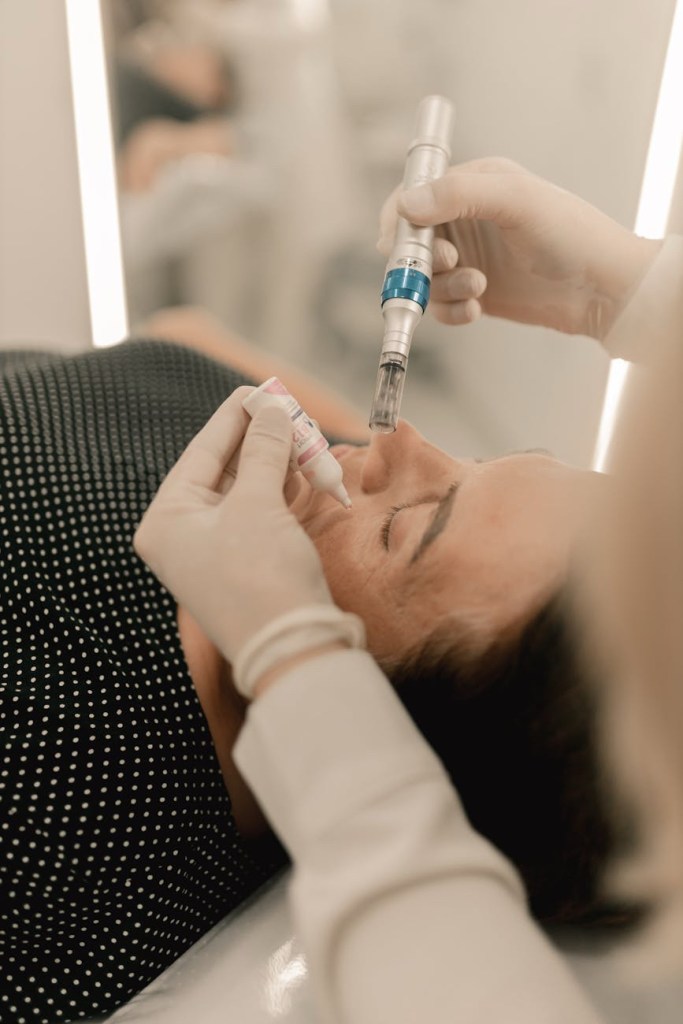
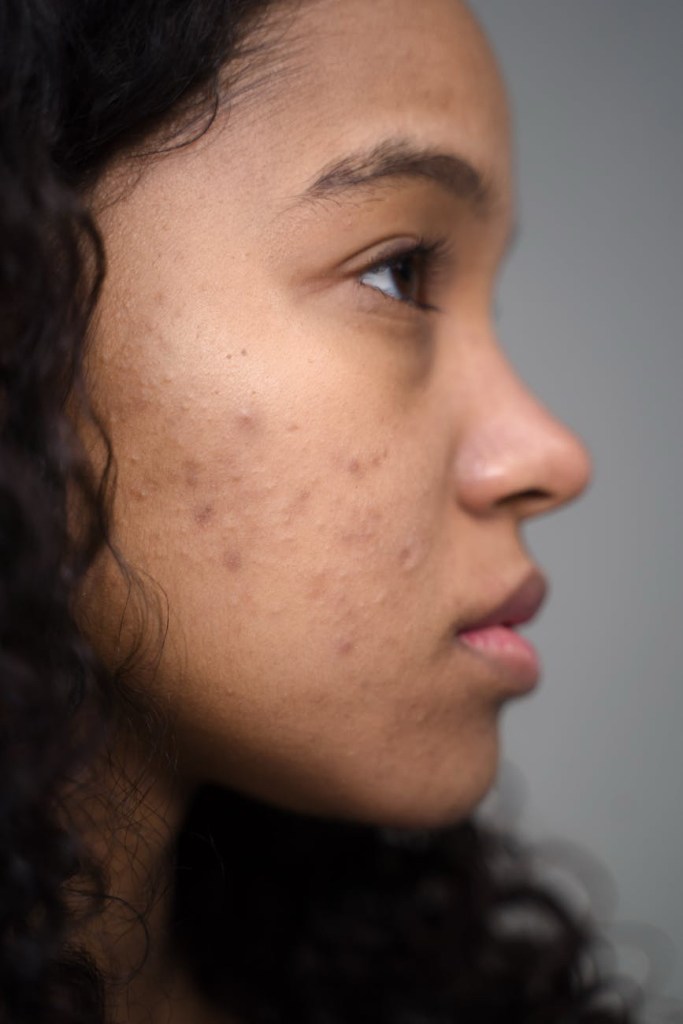
  • Acne scarring can really affect confidence and self-esteem. For many people, those leftover marks are a constant reminder of past breakouts, long after the acne itself has gone. While there’s no single perfect treatment, microneedling has become one of the most effective and accessible options for improving the appearance of atrophic acne scars, especially rolling and boxcar types.

    Microneedling works by creating tiny, controlled micro-injuries in the skin using fine needles. This process stimulates your body’s natural healing response, encouraging the production of collagen and elastin. Over time, this helps to remodel and smooth out scarred tissue, improving skin texture and overall appearance. What makes microneedling so appealing is that it’s minimally invasive, suitable for most skin types, and involves very little downtime compared to other procedures.

    As someone with a Level 9 qualification in Skin and Hair Follicle Anatomy and a Beauty Specialist qualification alongside microneedling and laser and light treatments , I’ve seen first-hand how the skin responds to treatments that work in harmony with its natural repair mechanisms. Microneedling does exactly that. It enhances the skin’s ability to heal itself, making it a safe and effective option for clients who want visible results without harsh interventions.

    How Effective Is It?

    Research consistently supports what many clients notice in the mirror: microneedling really works. Multiple systematic reviews and clinical trials show significant improvement in acne scarring after a course of treatments. The collagen stimulation that follows, particularly involving collagen types I, III, and VII, helps the skin regain structure and smoothness.

    Visible changes usually appear after a few sessions, and satisfaction rates are high. Most side effects are mild and temporary, such as redness or light swelling that subsides within a couple of days. Occasionally, some people may experience slight hyperpigmentation, but this tends to resolve with proper aftercare and consistent sun protection.

    It’s worth noting that rolling and boxcar scars respond best to microneedling. Icepick scars, which are deeper and narrower, can be more resistant and sometimes need additional treatments such as TCA CROSS or subcision for optimal improvement.

    Microneedling vs. Other Acne Scar Treatments

    When compared with non-ablative fractional lasers, microneedling performs exceptionally well. Research shows similar levels of improvement, but with fewer side effects and a much shorter recovery time. For clients with darker skin tones, microneedling is often the preferred choice, as it carries a much lower risk of post-inflammatory hyperpigmentation (PIH) than many laser treatments.

    Some practitioners combine microneedling with other therapies to boost results. Adding platelet-rich plasma (PRP)hyaluronic acid, or chemical peels can enhance collagen stimulation and improve skin texture. While combination therapies can speed up visible improvement, studies suggest that the long-term outcomes are often quite similar to microneedling alone, which is good news for anyone wanting great results without extra cost or complexity.

    Fractional radiofrequency (RF) microneedling is another powerful option, particularly for moderate to severe scarring or darker skin. It uses radiofrequency energy to heat deeper layers of the skin, enhancing collagen remodeling while maintaining the gentle recovery period that makes microneedling so appealing.

    How It Fits Into the Bigger Picture

    When it comes to acne scar management, microneedling is one part of a broader toolkit. Treatments such as laserssubcisionchemical peels, and fillers all have their place, and the best approach depends on the type and depth of scarring.

    • Subcision works best for rolling scars that are tethered by fibrous bands under the skin.
    • TCA CROSS is ideal for icepick scars, offering a precise chemical resurfacing effect.
    • Dermal fillers can be used to restore volume in deeper boxcar scars, offering immediate improvement.

    Ablative lasers like CO₂ or Er:YAG are still considered the gold standard for severe scarring, but they involve longer downtime and carry a higher risk of pigmentation issues. For many clients, microneedling provides the perfect balance between results and recovery.

    Take-Home Message

    Microneedling has firmly earned its place as a leading treatment for atrophic acne scars. It’s effective, safe, and accessible, with proven results across a wide range of skin types. The improvements build gradually over several sessions, and while patience is key, the overall transformation in skin texture and confidence is remarkable.

    Combining microneedling with other modalities can sometimes enhance results, but even on its own, it performs as well as many laser-based treatments with far fewer risks and less downtime.

    For anyone struggling with acne scarring, microneedling represents the best of both worlds: scientifically supported results and a natural, skin-friendly approach. As a qualified professional with an MSc in Exercise and Nutrition, a Level 9 in Skin and Hair Follicle Anatomy, and Beauty Specialist training, I focus on evidence-based treatments that work with your skin, not against it. Microneedling is one of those treatments, empowering, restorative, and proven to deliver real results.

    You can find more evidence-based skincare, nutrition, and lifestyle insights over on Instagram @sarahcurranfitpro.

  • As a writer and coach a common issue I come across daily is the abundance of misinformation online. Nutrition myths, misconceptions about diet and health not supported by scientific evidence, are widespread across populations and contexts. They affect diverse groups, including the general public, pregnant women, mothers, elderly, hospitalized patients, and athletes. Despite varying levels of nutrition knowledge, myths persist, often influencing dietary behaviors more than factual information. Understanding the prevalence, impact, and strategies for addressing these myths is essential for promoting evidence-based nutrition and improving public health.

    Prevalence of Nutrition Myths

    Nutrition myths are highly prevalent worldwide. In a multi-country Arab study involving 8,191 participants, approximately 73% of individuals had inadequate nutrition knowledge, with younger people relying heavily on social media for information. In Portugal, even among those with high nutrition knowledge (21.7%) or moderate knowledge (42.1%), several myths persisted, illustrating that education alone does not fully protect against misconceptions.

    Pregnant women are particularly susceptible to myths. In Mexico City, only 9% of pregnant women rejected all nutrition myths, while 46% had above-average myth scores. Younger women and those with less education were more likely to believe and act on myths. Similarly, studies in Egypt show over half of pregnant women hold at least one nutrition-related misconception, with family and friends as the main information source. Among Egyptian mothers, 56% did not hold nutrition myths, while social media increased the likelihood of believing them, and guidance from healthcare providers reduced it.

    The elderly are also affected, especially those with lower education levels. Spanish studies using validated tools such as Myths-NL indicate that deeply rooted beliefs about food remain common, even among populations with relatively high nutrition knowledge. Among hospitalized patients in India, 48% avoided sour and cold foods due to myths, and 26% adhered to the concept of “hot-natured” foods, primarily based on hearsay. Only 44% fully accepted dietary counseling intended to correct these misconceptions.

    Common Nutrition Myths and Their Impact

    Some widely held myths include beliefs that dietary fat always leads to obesity, eggs are harmful to cholesterol levels, pregnant women must “eat for two,” or that specific foods can cure diseases. These misconceptions can have significant consequences. They may lead to poor dietary choices, unnecessary restrictions, or overconsumption of certain foods, which in turn can result in nutritional deficiencies or increase the risk of chronic disease. Cultural traditions, family influence, and media, including social media, play substantial roles in perpetuating these myths. Even scientifically trained individuals, such as teachers, are not immune, demonstrating the pervasive influence of misinformation.

    Factors Influencing Myth Prevalence

    Age and education are consistently linked to nutrition myth prevalence. Younger individuals and those with lower educational attainment are more likely to believe and act on myths. Cultural context and local traditions also shape which myths are prevalent within a population. Sources of information are critical, as reliance on social media, family, and non-expert sources increases myth prevalence, whereas guidance from healthcare professionals and scientific literature reduces it.

    Strategies for Debunking Nutrition Myths

    Research has identified several effective strategies for correcting misinformation. Educational interventions in clinical settings, such as dietary counseling, can help dispel misconceptions, though acceptance varies among individuals. One evidence-based approach, the “truth sandwich,” presents factual information first, followed by the myth, and concludes with a correction, which has been shown to reduce agreement with myths.

    Digital tools, including AI-based platforms like ChatGPT, can provide rapid, evidence-based responses to nutrition questions, helping users navigate misinformation. However, users must critically evaluate these responses and remain aware of the tools’ limitations as it can also often amplify the issue of misinformation by pulling from untrustworthy sources and creating incorrect citations. Personally I don’t recommend their use to clients instead encouraging more trustworthy sources that are easier to verify. Promoting trusted sources, including scientific journals and official health websites, is crucial for encouraging accurate nutrition knowledge.

    Timeline and Research Trends

    Research on nutrition myths spans several decades, with early studies beginning in the 1990s and continuing through to recent work focusing on digital misinformation and debunking strategies. Larger studies and highly cited research have concentrated on general nutrition myths, myths in pregnancy and lactation, obesity-related misconceptions, myths among hospitalized patients, and methods for correcting misinformation. This extensive body of research highlights both the persistence of myths and the growing recognition of the need for targeted, evidence-based interventions.

    Take-Home Message

    Nutrition myths are prevalent across all age groups, cultural contexts, and educational levels, often influencing dietary behaviors and health outcomes more than accurate knowledge. Younger individuals and those with lower education are particularly vulnerable, while reliance on informal sources like social media amplifies the spread of misinformation. Effective strategies to combat myths include targeted education, culturally sensitive interventions, the use of structured debunking formats such as the truth sandwich, and guidance from trusted, evidence-based sources. Addressing persistent misconceptions and promoting accurate nutrition knowledge can improve public health and help individuals make dietary choices that are aligned with scientific evidence. If you have enjoyed this article and want to follow me on Instagram where I provide more information, my handle is sarahcurranfitpro.

  • If you’ve ever struggled with acne, you’ll know how frustrating it can be to find a treatment that actually works without upsetting your skin in the process. Many of the most common options, like retinoids or benzoyl peroxide, can leave your skin dry, irritated, and sometimes even worse before it gets better. That’s why there’s growing interest in hypochlorous acid (and its close relative, sodium hypochlorite) sprays as a gentler but still effective alternative for managing mild to moderate acne.

    What the Research Says

    Recent clinical research has started to explore how hypochlorous-based sprays work for acne, and the results are encouraging. A double-blind, randomized controlled trial found that applying a 0.005% sodium hypochlorite solution three times a day for one month significantly reduced the number of papules and pustules in people with mild to moderate acne. What’s interesting is that the results were consistent across both men and women, and the treatment appeared effective for both hormonal and non-hormonal acne types.

    In laboratory studies, hypochlorous acid has shown impressive antimicrobial effects against Cutibacterium acnes(formerly known as Propionibacterium acnes), the main bacteria involved in acne development. Even at low concentrations, hypochlorous acid kills acne-causing bacteria rapidly and effectively, showing results comparable to or better than standard antiseptics. These findings support its potential as a gentle but scientifically valid option for acne-prone skin.

    Tolerability and Safety

    One of the biggest advantages of hypochlorous-based sprays is how well they’re tolerated. In the clinical studies published so far, most participants reported minimal irritation. Some experienced mild itching or dryness, but overall, the side effects were much less severe than what you’d expect from stronger prescription treatments.

    In contrast, many traditional acne products work well but can be difficult to tolerate long term. Retinoids, for example, often cause peeling and redness, while benzoyl peroxide can lead to dryness and stinging. Antibiotic creams or tablets may help in the short term but come with the added concern of bacterial resistance. Hypochlorous acid avoids all of these issues, making it a particularly appealing choice for those with sensitive or reactive skin.

    It’s worth noting that acne can sometimes return once treatment stops, regardless of which therapy you use. But overall, hypochlorous sprays appear to offer a favourable balance between effectiveness and comfort, especially for people who prefer a simpler, low-risk skincare routine.

    How They Compare to Traditional Treatments

    Traditional acne treatments remain the first-line recommendations in most dermatology guidelines. Topical retinoids, benzoyl peroxide, and antibiotics are often prescribed in combination to target multiple causes of acne at once. While these are effective, they also tend to come with side effects that can make long-term adherence difficult.

    Hypochlorous acid sprays are not yet included in standard acne treatment guidelines, but early studies suggest they could serve as a useful alternative or complementary option. They are easy to use, affordable, and accessible without a prescription. Their mechanism of action also differs from conventional therapies, providing strong antibacterial and anti-inflammatory effects without damaging the skin barrier. This makes them particularly interesting for people who want to support skin healing while reducing inflammation and redness.

    Because hypochlorous acid is naturally produced by the body’s immune system as part of its defence against pathogens, it’s also viewed as a biologically compatible ingredient. This natural compatibility may explain why it causes so little irritation while still being effective against acne-causing bacteria.

    The Takeaway

    Early evidence suggests that hypochlorous and hypochlorite sprays could be a promising addition to the acne treatment toolkit. They are gentle, affordable, and backed by growing scientific research showing both antimicrobial and anti-inflammatory effects. While larger and longer-term studies are still needed to confirm their full potential, they offer an exciting new approach for those who want effective acne management without the harsh side effects of stronger topical or oral treatments.

    If you’re considering adding a hypochlorous spray to your skincare routine, it’s a good idea to check with your dermatologist or skin specialist first to make sure it’s suitable for your skin type and to discuss how it might fit alongside any other treatments you’re using.

    For more evidence-based skincare and lifestyle advice, follow me on Instagram @sarahcurranfitpro.

  • If you have ever swapped your usual toast for a slice of sourdough and felt a little less sluggish after breakfast, you might be onto something. Sourdough bread has become the favourite choice among those seeking healthier carbohydrate options, and for good reason. Beyond its tangy flavour and chewy texture, there is solid research showing that it may help with blood sugar control, particularly for people managing diabetes or insulin resistance.

    Let’s unpack what the science says, and what actually matters in real life.


    Why Sourdough Is Different

    Sourdough is not just ordinary bread made fancy. It is produced through a natural fermentation process using wild yeast and lactic acid bacteria instead of commercial yeast. This slow fermentation changes how the carbohydrates and proteins in the dough behave, and that is where the difference lies.

    During fermentation, some of the starch is converted into resistant starch, which behaves more like fibre in the body. It is digested more slowly, leading to a gentler, more gradual release of glucose. The bacteria also produce organic acids such as lactic and acetic acid, which can slow gastric emptying so that glucose enters the bloodstream more gradually.

    Together, these changes result in a lower glycemic index (GI), particularly when sourdough is made with whole grain flours.


    Sourdough vs. Regular Bread: What Studies Show

    Over the past decade, multiple clinical trials and systematic reviews have compared sourdough to standard yeast-leavened breads in relation to blood glucose and insulin responses. The findings are surprisingly consistent:

    • Sourdough leads to lower post-meal blood sugar and insulin spikes compared to regular white or even some whole-grain breads.
    • The benefits are strongest when the bread is made with whole grains and fermented for a longer time.
    • Even in people with type 2 diabetes, gestational diabetes, or impaired glucose tolerance, sourdough tends to produce smaller glucose and insulin responses after meals.

    For example, one study found that whole grain sourdough caused a slower and lower rise in blood sugar than yeast-leavened whole wheat bread. Another showed that people with type 2 diabetes experienced a significant reduction in post-meal glucose when they switched to sourdough for several weeks.

    Animal studies support these findings, showing improved insulin sensitivity, better glucose control, and even cognitive benefits in diabetic models consuming sourdough-type bread.

    That said, results can vary. Some trials in overweight or obese adults found that sprouted or other whole-grain breads performed similarly, reminding us that not all sourdough is automatically superior. The key is how it is made.


    What Makes the Difference

    The glycemic effect of sourdough depends on several factors:

    1. Flour Type – Whole grain flours, especially those with intact fibre and bran, slow digestion and blunt glucose spikes more effectively than refined white flours.
    2. Fermentation Time – Longer fermentation, typically 12–24 hours, increases resistant starch and organic acid content, both of which lower the glycemic index.
    3. Microbial Strains – Different starter cultures, the mix of bacteria and yeast used, influence how much acid and resistant starch are produced.
    4. Temperature and Moisture – Conditions during fermentation affect starch breakdown and acid production. Cooler, slower ferments usually lead to better glycemic outcomes.

    In short, not all sourdoughs are equal. A long-fermented whole grain sourdough is the most effective option for supporting metabolic health.


    Beyond Blood Sugar: Extra Health Perks

    Sourdough’s benefits may extend beyond glycemic control. The fermentation process can also:

    • Boost mineral absorption, particularly magnesium, iron, and zinc, because lactic acid bacteria reduce phytates, which block mineral uptake.
    • Improve gut health by promoting the growth of beneficial bacteria in the intestines.
    • Increase satiety, as some studies report that sourdough keeps people fuller for longer compared to conventional bread, though findings are mixed.
    • Enhance flavour and texture naturally, without additives or preservatives, making it a more wholesome food choice.

    These advantages make sourdough an excellent fit for a balanced, blood-sugar-friendly diet, especially when combined with protein, healthy fats, and fibre at meals.


    So Should People with Diabetes Choose Sourdough?

    If you live with diabetes or are trying to manage your blood sugar, sourdough can absolutely be part of your diet, especially whole grain versions with long fermentation times.

    Here is why:

    • Lower glycemic impact: It leads to smaller glucose and insulin spikes after eating.
    • Better digestion: Resistant starch and acids slow absorption.
    • Nutrient boost: Fermentation improves bioavailability of minerals.
    • Natural taste and texture: No need for preservatives or flavouring agents.

    However, portion size and overall diet still matter. Even a lower-GI bread can raise blood glucose if eaten in large amounts or alongside sugary spreads. Pairing sourdough with protein, such as eggs or Greek yogurt, or healthy fats such as avocado or nut butter, can further reduce the rise in blood sugar.


    What to Look For When Buying or Baking

    When shopping or baking your own, keep these points in mind:

    • Check the ingredients: True sourdough contains only flour, water, and salt, with no added yeast.
    • Opt for whole grain flours: Whole wheat, rye, or spelt sourdoughs provide more fibre and micronutrients.
    • Look for long fermentation: If baking at home, aim for 12–24 hours of fermentation. Store-bought loaves often have shorter ferment times and fewer benefits.
    • Watch for imposters: Some “sourdough” breads are simply regular loaves with added sour flavouring and do not offer the same metabolic advantages.

    The Bottom Line

    Sourdough bread is not a cure for diabetes, but it is one of the most blood-sugar-friendly bread options available. Research consistently shows that sourdough, particularly whole grain varieties with long fermentation, reduces post-meal glucose and insulin spikes compared to conventional bread.

    Its benefits come from how fermentation transforms the dough, creating resistant starch, organic acids, and a slower-digesting carbohydrate structure. This means more stable blood sugar, better satiety, and improved nutrient absorption.

    If you enjoy bread but want to manage glucose levels more effectively, sourdough is a smart, evidence-based alternative. Combine it with balanced meals, mindful portions, and other nutritious foods as part of an overall healthy lifestyle. Small, consistent changes like this can make a meaningful difference over time.


    In summary:

    • Whole grain sourdough is preferable to white sourdough or regular white bread.
    • Longer fermentation results in a lower glycemic impact.
    • Combine sourdough with protein, fibre, and healthy fats for best results.
    • Choose authentic sourdough with minimal ingredients.

    Bread does not have to be off-limits and some choices are more beneficial than others. Follow sarahcurranfitpro on Instagram for more healthy living tips!

  • Smoother skin is something almost everyone wants, whether it is to soften fine lines, improve texture, or simply feel more confident in how their skin looks. The problem is that the beauty industry is full of quick fixes, and it can be hard to know what actually works.

    As someone who works in both fitness and aesthetics, and who teaches students in this space, I always come back to one principle: results come from consistency and evidence-based approaches. Just like training or nutrition, skincare is most effective when it is backed by research rather than trends.

    In this article, I will walk you through the treatments and routines that science shows can make a genuine difference in skin smoothness. These are the same principles I share with my students when I teach them how to approach skin health in a professional and credible way.

    Why Skin Texture Matters

    When people ask about smoother skin, they are usually concerned with issues such as fine lines, enlarged pores, uneven tone, or rough texture. These changes happen naturally as collagen declines with age, but lifestyle factors like sun exposure, stress, and skincare habits also play a role.

    The good news is that we have multiple ways to address texture. Treatments that really work usually do so by boosting collagen, increasing hydration, or encouraging healthy skin cell turnover. Whether you choose professional treatments or at-home care, the right strategy can lead to skin that looks brighter, softer, and more even.

    Professional Treatments That Work

    Professional treatments remain the gold standard for creating noticeable and lasting improvements. These are the options I often discuss with my students, because understanding how and why they work is key to guiding clients or making decisions about your own skin.

    Fractional Lasers

    Fractional lasers, such as Fraxel or Erbium:Glass, are among the best studied options for smoother skin. They create tiny controlled micro-injuries that trigger collagen renewal. The result is fewer wrinkles, smaller-looking pores, and more even texture. Most people see improvement within one or two sessions.

    Many clinics also combine lasers with injectables such as fillers or botulinum toxin. Research shows these combination protocols often outperform single treatments, which is why they are so popular in modern aesthetic practice.

    Radiofrequency Treatments

    Radiofrequency (RF), especially fractional RF and microneedle RF, uses heat energy to stimulate collagen and elastin. The benefits include smoother skin, improved elasticity, and a tighter overall appearance.

    RF is often a favourite among clients because it is effective but comes with very little downtime. It is also a treatment I highlight to students because it offers consistent results and has a strong safety record.

    Hyaluronic Acid Fillers

    Hyaluronic acid fillers are not just for adding volume. Special formulations designed for skin quality, such as VYC-12L, are specifically made to smooth and hydrate the skin itself. These fillers work by attracting water into the tissue, creating a plumper and fresher appearance.

    Results can last for several months, and patient satisfaction is generally very high. In teaching, I emphasise that fillers are not simply about changing how someone looks but also about improving skin health and quality when used in this way.

    Chemical Peels

    Chemical peels remain one of the most accessible and effective treatments for texture and tone. Light to medium peels with alpha-hydroxy acids or glycolic acid gently resurface the skin, improving smoothness and radiance. Deeper peels can deliver more dramatic results but come with more recovery time.

    What I always point out to students is how well chemical peels pair with other treatments. When combined with injectables or part of a wider skincare plan, they often deliver better long-term improvements than when used alone.

    At-Home Treatments and Skincare Support

    While professional treatments deliver the biggest changes, at-home care is where most of the long-term maintenance happens. I always remind my students that what you do every day matters far more than what you do once or twice a year. Skincare is about habits and consistency.

    Chemical Exfoliants

    At-home chemical exfoliants containing AHAs, BHAs, and PHAs are proven to improve texture, refine pores, and increase hydration. They should be used with care, especially on sensitive skin, because overuse can damage the skin barrier. A few times per week is usually enough to see results without irritation.

    Enzyme and Herbal Exfoliants

    For those with sensitive skin or who are just starting out, enzyme exfoliants from fruits like papaya or pineapple can be a gentler choice. Herbal scrubs with ingredients such as turmeric, almond oil, or finely ground seeds also help brighten the skin and remove dead cells without being too harsh.

    These are options I often recommend to beginners, and I teach my students to always match exfoliation strength to the client’s skin type.

    Retinoids

    Retinoids such as retinol are a cornerstone of evidence-based skincare. They work by speeding up cell turnover, boosting collagen, and improving hydration. With consistent use, retinoids reduce fine lines, pigmentation, and roughness.

    Results are gradual and can take months, but the improvements are some of the most reliable in skincare. This is why I always include retinoids when teaching students about active ingredients. They are truly transformative when used properly.

    Hydration and Multimodal Skincare

    Moisturizers and serums enriched with hyaluronic acid, peptides, and antioxidants help keep the skin plump and smooth. When products are combined into a thoughtful routine, results can be impressive.

    Research shows that using a blend of actives for 12 weeks can improve smoothness by up to 60 percent and dryness by more than 80 percent. In practice, this means that consistency and layering products correctly really does pay off.

    Home Beauty Devices

    Home-use devices such as LED masks, cleansing brushes, and EMS tools are becoming increasingly popular. The evidence shows that when used correctly, they can support smoother texture, improved elasticity, and overall radiance.

    I always remind both clients and students that device quality matters, and results depend on regular use. They are not a magic fix, but they can be a useful addition to a solid skincare routine.

    Professional vs At-Home Treatments

    So which is better, professional treatments or at-home care? The answer is both. Professional treatments deliver dramatic results, but at-home care is essential for maintaining them and keeping the skin healthy day to day.

    The best results often come from combining the two. For example, someone might choose a series of RF treatments for long-term firmness while supporting their skin at home with retinoids, exfoliants, and hydration.

    Final Thoughts

    When it comes to smoother skin, it is easy to get lost in endless products and marketing claims. What I teach my students, and what I remind my own clients, is that evidence matters. Fractional lasers, radiofrequency, fillers, and chemical peels are proven to deliver noticeable results. At home, chemical exfoliants, retinoids, hydration, and consistent routines can support and maintain those improvements.

    The key is not chasing perfection but creating healthy habits and making informed choices. Smoother skin is not about a single miracle treatment but about consistency, patience, and choosing the right options for your skin.

    ✨ For more evidence-based beauty and fitness insights, follow me on Instagram: @sarahcurranfitpro

  • When it comes to living well into your 90s, or even reaching 100, without relying heavily on medications or medical interventions, a handful of regions around the world stand out. These are known as Blue Zones, and they include places like Ikaria in Greece, Sardinia in Italy, Okinawa in Japan, Nicoya in Costa Rica, and a faith-based community in Loma Linda, California.

    What is fascinating is that despite being in completely different parts of the world, people in these regions share certain lifestyle habits that researchers believe contribute to their remarkable longevity. They do not live longer because of a single “superfood” or miracle supplement. It is a whole lifestyle embedded into their culture, and that is where the lessons get really interesting for the rest of us.


    Diet: Mostly Plants, Simply Prepared

    The first thing that stands out about Blue Zone populations is their diet. While the exact foods vary from region to region, think wild greens in Ikaria, sweet potatoes in Okinawa, and black beans in Nicoya, the overall pattern is the same: a plant-based, minimally processed diet.

    • Vegetables, legumes, and whole grains form the backbone of their meals. Beans, lentils, nuts, fruit, and locally grown greens are daily staples.
    • Olive oil is the go-to fat in Mediterranean Blue Zones, while Okinawans rely more on soy products like tofu and miso.
    • Meat and dairy are present but in small amounts. Red meat, for example, is eaten only a few times per month. Dairy tends to come from goats or sheep rather than cows, and even then, it is consumed moderately.
    • Fish and seafood appear weekly, not daily, and portion sizes are modest.
    • Processed foods, refined sugars, and sodas are almost non-existent in traditional Blue Zone diets. Instead, they enjoy naturally sweet foods like fruit or a drizzle of honey.

    One of my favourite cultural practices comes from Okinawa: the “hara hachi bu” rule, which means eating until you are about 80 percent full. This simple approach to portion control reduces overeating without calorie counting or strict diets.


    Movement: Built Into Daily Life

    Another key difference between Blue Zones and most modern societies is how people move. They do not spend hours in the gym, nor do they track steps on a smartwatch. Instead, movement is built naturally into their day.

    • Walking is the default mode of transport.
    • Gardening provides both physical activity and fresh food.
    • Manual work such as chopping wood, cooking from scratch, and tending to animals keeps people active without them ever “exercising.”
    • Dancing, festivals, and community events add movement in joyful ways.

    This is not about high-intensity workouts or structured programs. It is about staying mobile throughout the day, which helps maintain strength, balance, and cardiovascular health well into old age.


    Social Connections: Family and Community First

    When researchers look at Blue Zones, one of the strongest predictors of long life is not diet or exercise. It is social connection.

    • Families tend to live close together, and older relatives are integrated into daily life rather than isolated.
    • Friendships and community ties are strong, with people regularly meeting for meals, religious services, or festivals.
    • Having a “right tribe”, a supportive social circle, encourages healthy behaviours and creates a sense of belonging.

    This is a sharp contrast to the loneliness epidemic we see in many modern societies, where social isolation has been linked to poorer physical and mental health. In Blue Zones, relationships are protective, not just emotionally but physically too.


    Stress Management and Purpose

    Stress is universal, we cannot avoid it, but Blue Zone cultures handle it differently. Instead of letting it accumulate unchecked, they build in daily rituals to release tension.

    • In Ikaria, mid-day naps are common.
    • In Okinawa, elders live with a clear sense of purpose, known as ikigai, a reason to get up in the morning.
    • In Nicoya, they call it plan de vida, a guiding life plan that keeps them motivated.
    • Religious and spiritual practices are common across all Blue Zones, giving people a sense of meaning and community.

    These habits are not about being stress-free, they are about managing stress so it does not take a toll on health.


    The Power 9: Shared Longevity Habits

    To simplify what makes Blue Zones unique, researchers have identified the “Power 9”. These are nine core habits that show up consistently across these long-lived populations:

    1. Move naturally: activity is part of daily life.
    2. Purpose: a reason to get up in the morning.
    3. Downshift: regular stress-reduction practices.
    4. 80 percent rule: stop eating before you are full.
    5. Plant slant: mostly plant-based diets.
    6. Wine at 5: moderate, social drinking (mainly red wine, often with meals).
    7. Belong: part of a faith or spiritual community.
    8. Loved ones first: family and close relationships are a priority.
    9. Right tribe: strong, supportive social circles.

    It is the combination of these habits, not just one or two, that makes the difference.


    Environmental Design: Health Made Easy

    Something else worth noting is how the environment in Blue Zones supports healthy living. Their towns are walkable, fresh local food is easy to access, and community life encourages participation. In other words, the healthy choice is the default choice.

    Compare that to many modern environments, where processed foods are cheap and convenient, cars are essential, and social interaction often happens online rather than face-to-face. The lesson here is that longevity is not just about personal willpower. It is about shaping surroundings that make healthy habits natural.


    What We Can Learn from Blue Zones

    The beauty of Blue Zones is that they show us longevity is not about extreme restriction or chasing the latest wellness trend. It is about simple, sustainable practices that fit seamlessly into daily life:

    • Eat mostly plants, simply prepared.
    • Stay active through natural movement.
    • Prioritize family, friends, and community.
    • Find ways to manage stress.
    • Live with purpose.

    These habits do not just extend lifespan, they also improve healthspan, meaning more years of good health and independence. And while we cannot all move to Sardinia or Okinawa, we can borrow the principles and adapt them to our own lives.


    Final Thoughts

    Longevity in Blue Zones is not a mystery. It is the result of a lifestyle where healthy eating, daily activity, strong connections, stress management, and purpose are part of the culture. The good news is that you do not need to live in a Blue Zone to apply these lessons. Small changes such as cooking more meals at home, walking daily, making time for family, or reconnecting with your sense of purpose can add up over time.

    The takeaway is simple: it is not one magic factor, but the synergy of everyday habits that makes the biggest difference. If we want to age well, the Blue Zones show us a clear and inspiring blueprint.