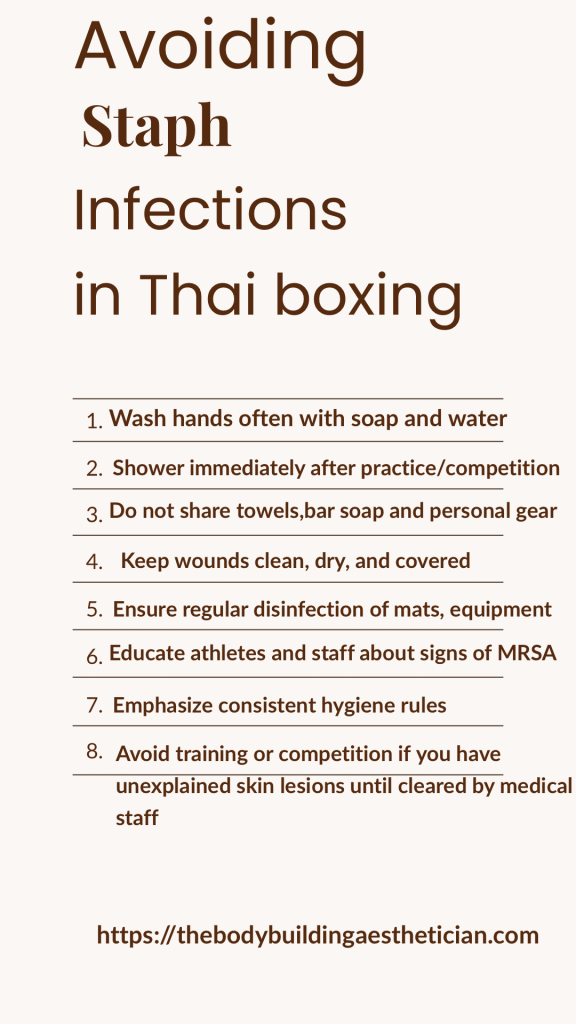
Skin infections remain one of the most common and disruptive issues in combat and contact sports, including wrestling, Brazilian jiu-jitsu, judo, MMA, and rugby. These environments create ideal conditions for the transmission of bacterial, fungal, and viral pathogens, often leading to missed training, withdrawal from competition, and wider team outbreaks. I covered the microbiome of the skin recently in my skin science course, and it is really relevant to combat sports due to the prevalence of skin infections in this area.
Current research consistently highlights that while the risk cant be eliminated, it can be significantly reduced through structured hygiene practices, early detection, and coordinated team protocols.
Infection Risk in Combat Sports
The high incidence of skin infections in combat athletes is multifactorial. Key contributing factors include:
- Repeated skin-to-skin contact
- Frequent abrasions, cuts, and mat burns
- Sweat accumulation and friction, particularly in occluded areas
- Use of shared equipment and facilities
Additionally, a proportion of athletes may carry organisms such as Staphylococcus aureus asymptomatically, increasing the potential for silent transmission within teams.
Most Common Infections
Across the literature, three categories dominate:
- Bacterial: Methicillin-resistant Staphylococcus aureus (MRSA) and other Staphylococcal infections
- Fungal: Tinea corporis (ringworm)
- Viral: Herpes gladiatorum
These infections are highly transmissible in contact settings and can escalate quickly if not identified and managed early.
Core Prevention Strategies
Evidence supports a multi-layered approach to infection control. No single intervention is sufficient in isolation, and consistent implementation across several domains is required.
Personal Hygiene
- Shower immediately after training or competition
- Maintain regular hand hygiene
- Keep fingernails short
- Avoid sharing personal items such as towels, razors, clothing, or water bottles
Clothing, towels, and training gear should be washed in hot water at or above 50°C, and athletes should change out of sweat-soaked clothing promptly.
Wound Management
- Clean all cuts, abrasions, and mat burns immediately
- Cover wounds appropriately during training
- Monitor for early signs of infection
Athletes with suspicious lesions should be removed from contact activity until assessed and no longer considered contagious.
Environmental Hygiene
- Implement structured cleaning protocols for mats and equipment
- Regularly disinfect shared spaces including showers and changing areas
- Use effective disinfectants with residual activity where possible
Research shows that appropriate mat disinfection and hand hygiene measures can significantly reduce microbial load.
Screening and Early Intervention
- Routine skin checks, particularly before competition
- Early reporting of suspicious lesions
- Prompt isolation of affected athletes
This is critical in preventing isolated infections from developing into outbreaks.
Education and Protocols
Education is consistently identified as a key factor in reducing infection rates. Athletes and staff should understand:
- How to recognize common infections
- The importance of hygiene and wound care
- When to seek assessment and temporarily withdraw from training
Clear, enforceable hygiene protocols within teams are essential.
The Skin Microbiome and Infection Risk
From a skin science perspective, the skin microbiome is highly relevant. There is a growing body of research showing its role in infection susceptibility and spread in combat sports.
In athletes, particularly those in contact sports, the microbiome is constantly challenged by sweat, friction, frequent washing, antiseptic use, and shared environments. This can lead to microbial imbalance or dysbiosis, where protective organisms are reduced and opportunistic pathogens become more dominant.
Research shows that combat sport athletes often have altered microbial profiles compared to non-athletes, and dysbiosis is associated with increased susceptibility to bacterial, fungal, and viral infections. Disruption of the skin barrier alongside microbiome imbalance facilitates pathogen entry and transmission. While hygiene is essential, overly aggressive or excessive use of antiseptics may further disrupt this balance.
A balanced approach is recommended:
- Effective hygiene practices
- Protection of skin integrity
- Avoidance of unnecessary overuse of harsh antimicrobial products
Additional Considerations
- Rapid weight loss practices may influence infection management
- In high-risk settings, prophylactic antiviral or antifungal strategies may be considered
- MRSA colonization may occur in asymptomatic athletes, and outbreak management may include screening and targeted decolonization under medical guidance
Take-Home Message
Combat sport athletes are at elevated risk of skin infections, but consistent and structured hygiene practices, proper wound care, environmental cleaning, routine screening, and ongoing education significantly reduce risk. Protecting the skin microbiome and barrier integrity while using antiseptics strategically further supports long-term skin health and infection prevention.
Medical Disclaimer
This article is for educational purposes only and is not intended to replace medical advice, diagnosis, or treatment. Athletes presenting with suspected skin infections should seek assessment from a qualified healthcare professional and follow sport-specific medical guidelines before returning to training or competition.
 The bodybuilding aesthetician
Leave a comment