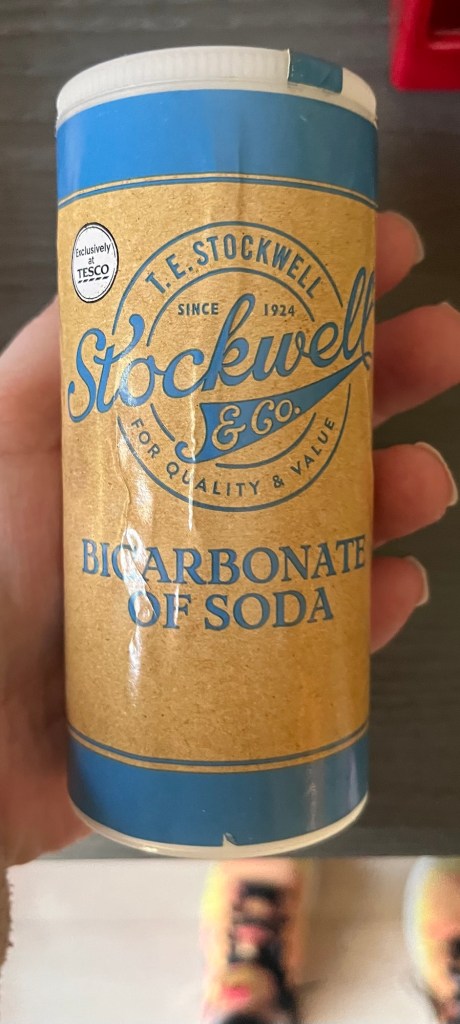
Sodium bicarbonate, commonly known as baking soda, is one of the most well researched legal ergogenic aids for high intensity, intermittent exercise. This makes it especially relevant for combat sports, where performance depends on repeated bursts of explosive effort.
Physiological Rationale
High intensity exchanges in boxing, MMA, judo, wrestling, taekwondo, and karate rely heavily on anaerobic glycolysis. This process rapidly produces hydrogen ions, which lowers muscle and blood pH. The resulting acidosis contributes to fatigue and reduces force production.
Supplementing with sodium bicarbonate increases blood bicarbonate levels and raises pH. This improves the body’s buffering capacity outside the muscle, helping remove hydrogen ions more efficiently. As a result, athletes can sustain higher intensity efforts and tolerate greater lactate accumulation before performance declines.
Research consistently shows performance benefits in activities lasting approximately 30 seconds to 12 minutes. This includes repeated sprint work, cycling tests, and sport specific protocols that closely reflect combat rounds.
Performance Benefits in Combat Sports
Research in combat athletes shows that sodium bicarbonate can improve several aspects of performance.
Athletes are able to sustain high intensity efforts for longer. In simulated taekwondo, supplementation increased glycolytic energy contribution in the first round and significantly increased total attack time across multiple rounds.
Performance improvements are often more noticeable as fatigue builds. This is particularly relevant in sports like judo, boxing, and wrestling, where later rounds or repeated bouts place a high demand on buffering capacity.
Studies also show increases in total work and power output. These improvements may be even greater when sodium bicarbonate is combined with creatine, particularly for explosive exchanges.
There is also evidence for improved recovery between bouts. In elite boxing, athletes who consumed sodium bicarbonate after an intense effort showed faster recovery of acid base balance and improved performance in a subsequent bout.
The main benefit appears to be in muscular endurance rather than maximal strength. Athletes can perform more repetitions or sustain effort longer, which aligns with the repeated high intensity nature of striking and grappling.
Evidence from Broader High Intensity Sport
Position stands from leading sports nutrition bodies conclude that sodium bicarbonate improves performance in high intensity efforts across a range of sports. These include cycling, running, swimming, and rowing.
The greatest benefits are seen in efforts lasting from around 30 seconds to 12 minutes, as well as repeated high intensity bouts. These time frames closely match the demands of most combat sports, where rounds typically last between two and five minutes with short recovery periods.
Practical Application for Combat Athletes
Dosing and Timing
Effective dosing is well established.
A minimum effective dose is around 0.2 grams per kilogram of body weight. For most athletes, 0.3 grams per kilogram appears to provide the best balance between effectiveness and tolerability.
Timing is important. Sodium bicarbonate should generally be taken between 60 and 180 minutes before training or competition to align with peak blood bicarbonate levels. However, individual responses vary, so testing in advance is essential.
Some athletes may benefit from a multi day loading strategy. This typically involves 0.4 to 0.5 grams per kilogram per day, split into smaller doses over three to seven days before competition. This approach may improve buffering capacity while reducing the risk of gastrointestinal discomfort on the day.
There is also emerging evidence for using sodium bicarbonate after an initial bout or training session. This may help speed up recovery and improve performance in subsequent efforts, which is particularly useful in tournaments or double session days.
For weight class athletes, the sodium content should be considered carefully, especially in relation to fluid balance and weight cutting strategies.
Best Situations to Use It
Sodium bicarbonate is most useful in scenarios that involve repeated high intensity efforts.
This includes hard sparring sessions with multiple rounds, high pace pad or bag work with short rest periods, and grappling sessions that involve continuous exchanges.
It is also beneficial during conditioning sessions that use intervals ranging from around 30 seconds to four minutes, particularly when rest periods are short.
Athletes competing in tournaments with multiple bouts in one day may benefit from both pre event and post bout strategies.
It is less useful for maximal strength work, where fatigue from acidosis is not a primary limiting factor.
Side Effects and How to Minimise Them
The most common side effects are gastrointestinal. These include bloating, nausea, stomach pain, and in some cases vomiting. The likelihood of these symptoms increases with larger single doses.
However, tolerance varies significantly between individuals.
Several strategies can help reduce the risk of side effects.
Using moderate doses between 0.2 and 0.3 grams per kilogram is often better tolerated than larger doses.
Taking sodium bicarbonate around three hours before exercise may reduce symptoms compared to shorter timing windows.
Consuming it alongside a carbohydrate rich meal can also improve tolerance.
Enteric coated capsules may help reduce gastrointestinal discomfort by delaying release until the intestines.
Most importantly, athletes should trial their strategy well in advance of competition to find what works best for them.
Combining with Other Supplements
There is some evidence that sodium bicarbonate can have additive effects when combined with other supplements.
Creatine appears to enhance improvements in power output, particularly during repeated explosive efforts.
Beta alanine, another buffering agent, may provide additional benefits when used alongside sodium bicarbonate, although research in combat athletes is still limited.
The evidence for combining sodium bicarbonate with caffeine or nitrates is less clear, although there is some potential based on broader sports nutrition research.
Practical Considerations and Real World Use
One of the biggest advantages of sodium bicarbonate is how accessible and inexpensive it is compared to many other supplements on the market. It is a very cheap way to potentially improve performance, yet it remains surprisingly underused in combat sports. Despite being consistently included in sports nutrition guidelines, it is not something widely seen in practice, especially compared to more popular supplements like pre workouts or fat burners.
To put that into perspective, I checked the price today in Aldi and it is literally 59 cent. That is probably one of the cheapest performance aids you will come across, which makes it even more surprising that more athletes are not using it. This may come down to concerns around side effects or simply not knowing how to use it properly.
It is important that sodium bicarbonate is not introduced for the first time in the week of a fight. Like any performance strategy, it should be trialled earlier in a training block to assess individual tolerance and effectiveness. Starting with lower doses is a sensible approach, gradually building up as needed. While responses can vary, the overall body of evidence is strong and supports its use as a practical and effective tool for improving high intensity performance in combat sports.
Limitations and Research Gaps
Despite strong physiological support and many positive findings, some limitations remain.
Not all studies show performance improvements, even when changes in blood pH are observed. This highlights the importance of individual response and the specific demands of the test or sport.
There is also limited research in female combat athletes, although existing data suggests similar benefits.
More sport specific studies are needed, particularly those that replicate real fight conditions, including scoring, pacing, and tactical elements.
Long term research is also lacking, especially regarding how regular use may influence training adaptations over time.
Take Home Message
Sodium bicarbonate is a well supported and practical ergogenic aid for combat athletes when used correctly. By improving the body’s ability to buffer acidity, it allows athletes to maintain higher intensity efforts, delay fatigue, and perform more consistently across rounds and repeated bouts.
It is also one of the most cost effective performance strategies available, yet remains underused. When trialled properly in training and tailored to the individual, it can offer a simple but meaningful edge in high intensity combat sport performance.
Medical Disclaimer
This article is for educational purposes only and is not intended as medical advice. Individuals should consult with a qualified healthcare professional or sports nutritionist before starting any supplementation protocol, particularly if they have underlying medical conditions, are taking medication, or are preparing for competition. Responses to sodium bicarbonate can vary, and appropriate dosing, timing, and tolerance should be assessed on an individual basis.
 The bodybuilding aesthetician
Leave a comment