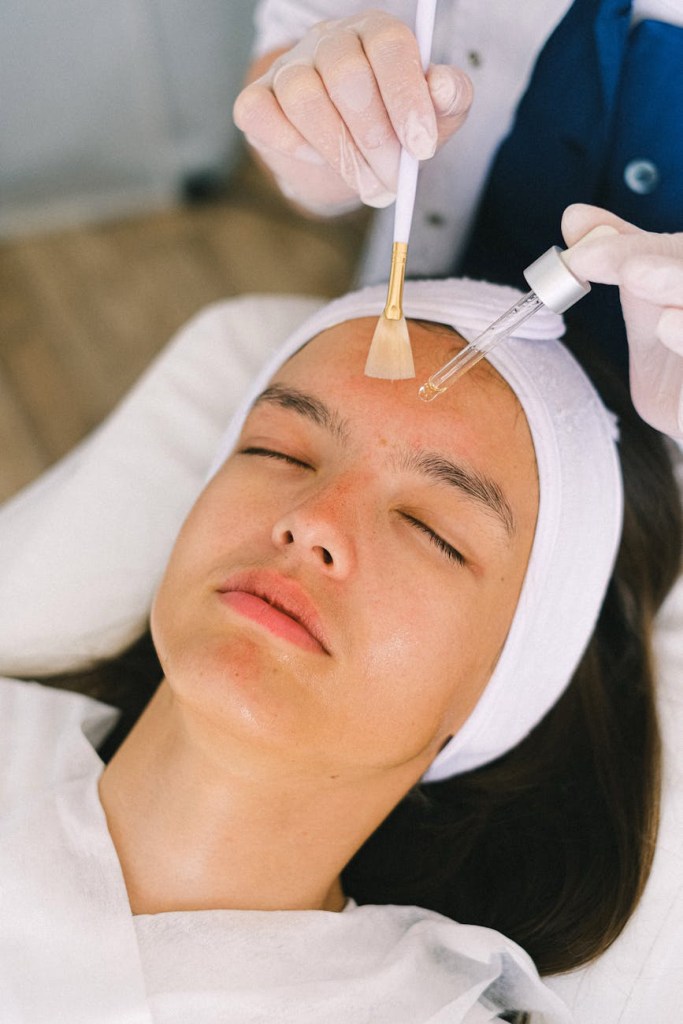
Chemical peels remain one of the most reliable, evidence supported skin treatments for improving visible signs of aging. Research consistently highlights that peels containing trichloroacetic acid (TCA), glycolic acid, lactic acid, and retinol deliver meaningful improvements in wrinkles, pigmentation, and skin texture. When paired with proper aftercare, they can safely rejuvenate the skin and enhance clarity, brightness, and hydration.
This article summarises the effectiveness of the most researched peels, explains key insights from recent clinical evidence, and outlines the essential aftercare steps that protect the skin and optimise results.
Types of Chemical Peels and Their Anti Aging Effects
Trichloroacetic Acid (TCA) Peels (15 to 35 percent)
TCA peels are among the most extensively studied and effective options for visible skin aging. At concentrations between 15 percent and 35 percent, they provide a medium depth peel capable of reducing wrinkles, softening pigmentation, improving hydration, and smoothing texture. They are suitable for a wide range of skin types, although the risk of side effects increases as concentration rises. Because they penetrate deeper than superficial peels, they also require more structured aftercare and a longer healing period.
Glycolic Acid Peels
Glycolic acid, part of the alpha hydroxy acid (AHA) family, provides a superficial peel that brightens the skin, improves fine lines, and enhances overall texture. These peels offer excellent tolerability with minimal downtime, making them ideal for individuals seeking visible radiance and mild anti aging benefits without extensive recovery.
Lactic Acid Peels
Lactic acid, another AHA, is particularly useful for brightening and addressing mild photoaging. Evidence shows that lactic acid peels are often combined with TCA to create a more synergistic effect. This helps improve clarity and pigmentation while lowering the risks associated with higher strength TCA.
Retinol Peels (Vitamin A Peels)
Retinol based peels offer superficial exfoliation with benefits in wrinkle reduction, elasticity, and improved pigmentation. Although their evidence base is not as robust as TCA or AHA peels, they are well tolerated and especially valuable for individuals experiencing early signs of aging or looking for a gentler entry point into peel based treatments.
Combination Peels
Combination formulations such as TCA paired with lactic or glycolic acid are increasingly used in clinical practice. These blends enhance improvements in texture, pigmentation, and fine lines while reducing the side effects associated with using a single ingredient at higher concentrations. For many clients, combination peels strike an effective balance between outcomes and safety.
Key Insights and Advances in Chemical Peel Research
Research consistently supports several important conclusions about chemical peels and their impact on aging skin.
1. TCA Peels Provide the Most Significant Anti Aging Improvements
TCA remains the most established option for meaningful improvements in wrinkles, pigmentation, and hydration. Concentrations between 15 and 35 percent provide predictable and effective results with high patient satisfaction when performed by trained professionals.
2. Combination Peels Improve Results and Reduce Risk
Pairing TCA with lactic or glycolic acid enhances outcomes while reducing side effects. These combinations are especially helpful for individuals who want visible improvements but need a more controlled and predictable recovery period.
3. Superficial Peels Are Ideal for Sensitive or Darker Skin
Superficial peels such as glycolic, lactic, and mandelic acids are safer for sensitive skin or darker skin types. Because they penetrate only the upper layers of the skin, they offer mild anti aging benefits with minimal downtime and a very low complication rate.
4. Retinol Peels Are Promising but Less Extensively Studied
Retinol peels offer improvements in elasticity and pigmentation. Although the evidence base is less extensive, they provide a gentle and effective option for early signs of aging or as part of a broader long term skincare routine.
5. Adjunctive Treatments Can Enhance Peel Outcomes
Treatments such as microneedling and the use of antioxidants can enhance overall results. These additions support improvements in skin texture, clarity, and rejuvenation.
Why Aftercare Matters
Chemical peels intentionally create controlled injury to the skin to stimulate regeneration. Effective aftercare protects this process, reduces the risk of complications, and ensures optimal results. Poor aftercare can lead to hyperpigmentation, irritation, delayed healing, or infection, especially with deeper peels.
Essential Aftercare for Chemical Peels
1. Strict Sun Protection
Sun exposure is the greatest risk following a peel. Broad spectrum sunscreen with SPF 30 or higher must be applied daily. It should be applied 15 minutes before sun exposure and reapplied every two hours when needed. Avoiding direct sunlight for several weeks is essential to prevent hyperpigmentation and to maintain results, especially after medium and deep peels.
2. Gentle Moisturisation
Regular use of non irritating moisturisers helps soothe the skin, reduce dryness, and support the repair of the skin barrier. For medium depth peels, ointments such as Aquaphor may be recommended to maintain hydration and protect the healing environment.
3. Mild and Fragrance Free Cleansing
Cleansing should be gentle. Fragrance free and non exfoliating cleansers are best. Scrubs, active acids, and harsh products should be avoided until the skin is completely healed.
4. Avoid Irritating Products
Products such as retinoids, benzoyl peroxide, exfoliants, and other actives should be discontinued before and after treatment based on professional guidance. Using these products too soon can result in redness, irritation, or pigmentation changes.
5. Short Term Topical Steroids When Recommended
Some individuals may benefit from low potency topical steroids such as one percent hydrocortisone to reduce inflammation and discomfort. These should only be used under professional direction.
6. Monitor for Signs of Complications
Increased redness, swelling, pus, or worsening discomfort may indicate infection. If these symptoms occur, contact a skincare professional immediately. Individuals with darker skin may require additional pre treatment and post treatment care to reduce the risk of pigmentation changes.
7. Follow Up Appointments
Scheduled follow up visits allow the provider to assess healing, identify any issues early, and guide when active skincare products can be reintroduced.
How Peel Depth Influences Aftercare
Superficial peels typically heal within three to seven days and require basic care including moisturiser, sunscreen, and gentle cleansing.
Medium depth peels often heal within seven to fourteen days and require more intensive moisturisation, possible antiviral medication for those prone to cold sores, and very strict sun protection for several months.
Deep peels require fourteen to twenty one or more days of recovery and involve wound care similar to burn management. This includes occlusive dressings, pain control, monitoring for infection, and long term sun avoidance.
The deeper the peel the more structured and prolonged the aftercare must be.
Take home message
Chemical peels that contain TCA, glycolic acid, lactic acid, and retinol are supported by strong scientific evidence for anti aging benefits. With proper selection and professional application, they can significantly improve wrinkles, pigmentation, texture, and overall skin brightness. Equally important is a commitment to consistent aftercare which protects the skin, reduces complications, and enhances long term results.
If you found this article helpful and you would like more evidence based education on skin, health, and beauty, follow me on Instagram at @sarahcurranfitpro.
 The bodybuilding aesthetician
Leave a comment