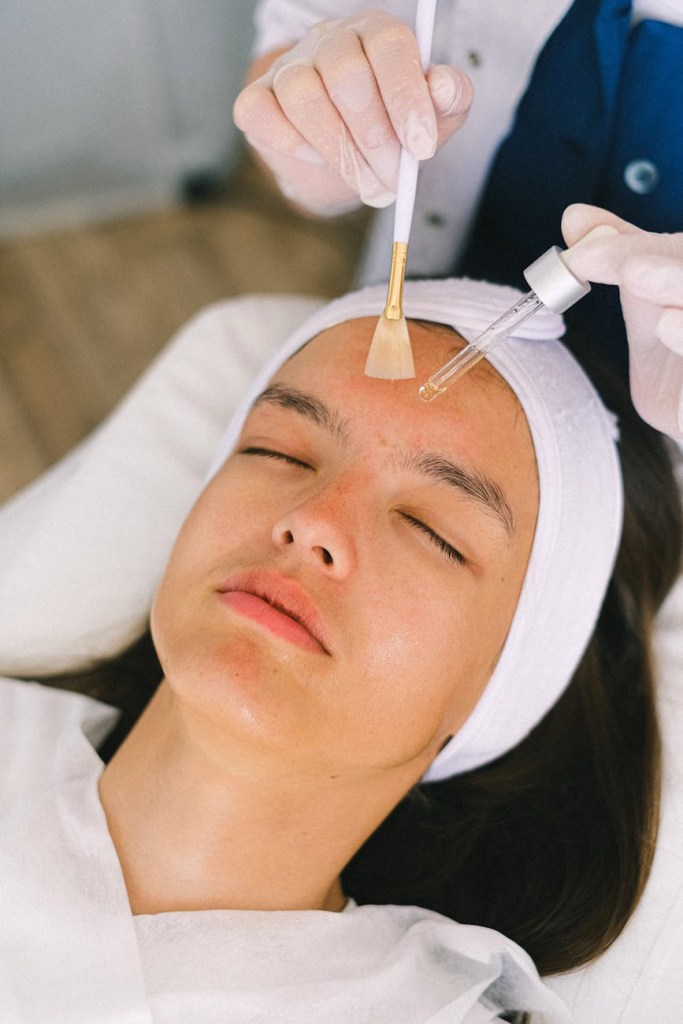
As the demand for non-invasive anti-aging treatments grows, facial chemical peels have become a go-to solution for rejuvenating the skin. These treatments help tackle common signs of aging such as wrinkles, pigmentation, and loss of elasticity without the need for surgery. By combining skin science with advanced chemical formulations, peels can refresh the skin’s appearance and improve overall skin health.
How Facial Peels Work: Mechanisms of Action
Chemical peels work by creating a controlled injury to the skin, which triggers the body’s natural regeneration processes. This promotes exfoliation of damaged layers and encourages the growth of fresh, healthy skin.
Peels can stimulate the production of collagen and elastin, two key proteins that maintain skin structure and elasticity. Some agents also prevent enzymes from breaking these proteins down, helping the skin stay firm.
Many peels reduce melanin production, which lightens dark spots and evens out skin tone.
By speeding up cellular turnover, peels bring new, healthier skin to the surface. Certain combinations, such as trichloroacetic acid with lactic acid, enhance these effects, delivering stronger results while keeping side effects minimal.
Types of Chemical Peels and Their Anti-Aging Benefits
Chemical peels are classified by how deeply they penetrate the skin: superficial, medium, or deep. The choice depends on the patient’s skin type, aging concerns, and tolerance for downtime.
Superficial peels use glycolic acid, lactic acid, or low-strength trichloroacetic acid. They improve fine lines, mild pigmentation, and overall brightness. These peels are suitable for early signs of aging and sensitive or darker skin types. Benefits include smoother texture, increased brightness and hydration, and mild reduction in pigmentation and fine lines.
Medium-depth peels use higher concentrations of trichloroacetic acid, sometimes combined with glycolic or lactic acid. They penetrate deeper, targeting moderate wrinkles, pigmentation, and texture issues. Recovery takes longer, but the results are more dramatic. Benefits include reduction of moderate wrinkles, improved elasticity, and significant lightening of pigmentation.
Deep peels, using phenol or high-strength trichloroacetic acid, are reserved for severe photoaging and deep wrinkles. They provide the most dramatic results but come with higher risk and longer recovery. Benefits include treatment of severe photoaging, significant wrinkle reduction, and long-lasting rejuvenation.
Studies confirm that all these peels improve clarity, elasticity, and hydration. Side effects are usually mild and temporary, and patient satisfaction is high.
Innovations and Combination Therapies
Recent developments have expanded what chemical peels can achieve. Multi-acid synergistic peels and trichloroacetic acid-free formulas offer strong anti-aging results with less downtime and fewer side effects.
Combining peels with microneedling is particularly effective. Microneedling increases the penetration of the peel, enhancing results for wrinkles, pigmentation, and elasticity. Trials consistently show that combining these treatments produces better outcomes than using either alone. Patient satisfaction is higher, and side effects remain mild.
Peels can also be combined with biorevitalization treatments, such as hyaluronic acid injections or antioxidant-rich therapies. These combinations improve hydration, elasticity, and overall skin radiance, complementing the peeling effects.
Modern multi-acid peels use different acids together, such as glycolic, lactic, and salicylic acids, to target multiple layers and concerns at once. This approach improves brightness, texture, and pigmentation more effectively.
Safety and Patient Satisfaction
Chemical peels, alone or combined with other treatments, are generally safe. Side effects are mild and temporary, including redness, minor swelling, or light crusting. Serious complications are rare when performed by trained professionals. High patient satisfaction reflects visible improvements in skin quality and overall appearance.
Results Timeline
With superficial peels, subtle improvements can appear within days, with more noticeable results over several weeks as collagen remodeling occurs. Medium and deep peels take longer to recover from but offer results that can last months or even years, especially when combined with adjunctive treatments and good skincare.
Take Home Message
Facial chemical peels are a safe, effective, and versatile way to tackle signs of aging. They stimulate collagen and elastin production, reduce pigmentation, and improve skin texture, brightness, and elasticity. Combining peels with microneedling or biorevitalization can enhance results even further, allowing for a personalized approach based on skin type and aging concerns.
For more tips and evidence-based guidance on skin health and anti-aging treatments, follow me on Instagram @sarahcurranfitpro.


 The bodybuilding aesthetician
Leave a comment